

BLOG
Focus On Hongyang Plush, Understand Industry News
The 34th China International Wool Textile Conference calls on wool textile people to "go forward together".
Release time:
2023-09-24

The 34th China International Wool Textile Conference was held in Zhangjiagang City, Jiangsu Province on September 23rd. Conference Themed "Towards the Future Together" Focusing on market trends, technological innovation, and green low-carbon development, the conference explored the diversity, differences, and complexities of the industry to find solutions for the development of the wool textile industry.


The conference was jointly organized by the China Wool Textile Industry Association and China National Investment & Guaranty Corporation International Trade Co., Ltd., with Nanjing Wool Market as the organizer. Guangshan Bai Shark Needle Cloth Co., Ltd., Australian Wool Development Company & International Wool Secretariat (AWI | The Woolmark Company), WoolWorks New Zealand Limited, and Zhejiang Yongjin Biotechnology Co., Ltd. provided strong support for the conference.
Improving the Efficiency of Industrial and Supply Chains

"The wool textile industry is a highly internationally integrated and cooperative industry. We need to deepen understanding and mutual trust, actively building platforms for international trade, technology, investment, and social responsibility; further strengthen international cooperation, continuously improving the efficiency of global industrial and supply chains; strengthen interaction between enterprises, providing higher-quality products, and opening up new markets and new areas. At the same time, we should accelerate the automation transformation of equipment in the wool textile industry, improving production efficiency and product quality; accelerate the application of digitalization, connecting all links of the supply chain, improving overall capacity utilization and market responsiveness, opening up new tracks, cultivating new formats, and enhancing industry competitiveness." Yang Zhaohua, Vice President of China National Textile and Apparel Council "The global wool textile industry has always faced challenges of high energy consumption and high emissions. Under the background of advocating a low-carbon economy and promoting clean production, the wool textile industry has the responsibility to undertake the task of reducing carbon emissions. We hope that the China Wool Textile Industry Association, international wool textile organizations, and other parties will strengthen cooperation, actively promote the research on the carbon footprint of wool products throughout their life cycle and the formulation of relevant standards, promote the application of green and low-carbon process technologies and equipment, encourage enterprises to implement social responsibility management systems, improve the ability and level of enterprise social responsibility management, and thus promote the sustainable development of the wool textile industry."

"Based on the present and looking to the future, the wool textile industry also faces the urgent endogenous need for high-quality development and transformation and upgrading." Wu Shiyong, Chairman of China National Investment & Guaranty Corporation International Trade Co., Ltd. He discussed the possibilities for the future development of the wool textile industry from three aspects: First, adhering to consumption-driven development. Using branding as a breakthrough point, leading with terminal consumption, adhering to a green, sustainable, and low-carbon environmental protection development path, continuously creating the unique and differentiated characteristics of high-quality, high-grade, irreplaceable natural fibers, and forming a group of industry brands with consumer support, fashion leadership, cultural carrying capacity, and international competitiveness; Second, adhering to technology-driven development. Taking intelligent manufacturing as the direction, adapting to the trend of green and sustainable development, promoting energy-saving and low-carbon transformation, improving the quality and efficiency of supply, consolidating the competitiveness of mid-to-high-end finished product exports, empowering trade models with digitalization and intelligence, jointly building an integrated online and offline, domestic and international marketing system, and opening up new formats and models for international trade; Third, adhering to innovation-driven development. Using innovative applications as a lever, strengthening fashion trend forecasting, fashion creative design, and precise data marketing, continuously exploring application scenarios such as health and comfort, green safety, and sports functions, and stimulating consumer enthusiasm in hot areas such as health and green ecology.

Liu Jiaqiang, President of the China Wool Textile Industry Association When introducing the industry's operating conditions, he stated that from January to July, the operating income of China's large-scale wool textile enterprises increased by 3% year-on-year, and profits increased by 36.5% year-on-year. From January to August, the export value of wool raw materials and products remained flat year-on-year. Among them, the export of various products using wool as the main raw material also remained basically flat year-on-year. The overall situation of China's wool textile industry shows a recovery trend compared with last year. Since the beginning of this year, the China Wool Textile Industry Association has carried out some work in promoting technological innovation, market development, international exchanges, and sustainable development research in the industry, especially in the research on green, low-carbon, and sustainable development, establishing the "Green Low-Carbon Alliance of the Wool Textile Industry." Next, it will carry out international cooperation, and the upstream and downstream of the industrial chain will work together to do this challenging work. "We will also actively build a new framework for the China National Committee of the International Wool Textile Organization to contribute Chinese wisdom and strength to participating in the affairs of the International Wool Textile Organization." Liu Jiaqiang said.

"Wool is increasingly becoming a global commodity, and it is sought after for its durability and high-quality environmental protection, making it a super commodity in the global modern textile industry." Fu Guanghan, Australian Ambassador to China In his speech, he stated: "The wool trade between China and Australia is becoming increasingly vibrant today, and the two sides have jointly formed an important international wool supply chain. Chinese textile enterprises turn Australian high-quality wool into fabrics and clothing sold globally. In 2023-2024, the total number of sheep in Australia increased to 71.6 million, and wool production also increased slightly. The China-Australia Free Trade Agreement has greatly promoted the development of bilateral wool trade, ensuring that trade between the two countries is competitive and benefits enterprises. The Australian wool industry has flourished in recent years, supporting continuous research and development of wool, and the corresponding results can be directly converted and utilized. China and Australia are seeking new ways to apply innovation to wool production, with the aim of improving animal welfare, improving occupational health and safety, and improving wool quality. Australian wool is constantly improving with the unique taste and needs of Chinese consumers. The wool story between China and Australia has a long and rich history, and with joint cooperation, the future is even brighter. Next, the Australian wool industry will continue to dress up the beautiful world together with Chinese designers, garment manufacturers, and distributors."

Weng Yuren, Deputy Mayor of Zhangjiagang City Introduced that the textile industry is one of the pillar industries in Zhangjiagang City. There are more than 3,000 textile enterprises in the city, with an output value exceeding 60 billion yuan. In particular, in the wool textile field, driven by industry leaders such as Yangzi Wool Top and Tianyu Wool, wool imports and wool top exports account for 51% and 70% of the national total respectively, forming an industrial pattern of "the world's wool looks to China, and China's wool looks to Zhangjiagang." She stated that under the current situation, this conference is a "timely rain" for the industry. Everyone meets face-to-face to interpret policies, answer questions, and exchange cooperation. It is not only a major event in the development of the wool textile industry, but also a happy event for the development of the wool textile industry in Zhangjiagang City, and will inject stronger impetus into the high-quality development of the wool textile industry in Zhangjiagang City.

Zhang Yonggang, Chairman of Guangshan Bai Shark Needle Cloth Co., Ltd. In the keynote speech, it was stated that, from being the first to develop V, E, and D type self-locking racks, filling a domestic gap, to developing a series of products in the fields of cotton spinning, wool spinning, non-woven fabrics, cashmere, and flax spinning; from being the first to propose the concept of protecting the flexibility of fiber combing, successfully developing the Great White Shark cone-tooth needle cloth, reducing the cutting damage to cashmere and wool, improving the strength of cashmere and wool yarns, to successfully developing the Jingquan series of surface-strengthened combing roller needle cloths and composite coated metal needle cloths, through more than 60 years of technological inheritance and innovation, Bai Shark has formed its own business philosophy. For many years, Bai Shark has pursued the quality and customization of customer technical services, using patience and focus to create high-quality needle cloths, continuously adding new products, and forging a path of technological development. "Next, Bai Shark will further improve the product performance and service life of China's textile equipment parts through continuous technological innovation, management innovation, and cultural innovation, spinning exquisite woolen yarns, spinning a better life, and moving towards the future together." Zhang Yonggang said.
In the keynote speech session, the participating guests and industry experts further analyzed and discussed the problems currently encountered by upstream and downstream enterprises in the wool industry, and conducted in-depth discussions and exchanges on the sustainable development of the wool industry and how to cope with changes in the trade environment.

International Wool Textile Organisation (IWTO) Chairman Klaus Steger said that currently, various brands are committed to achieving carbon neutrality, which has become the latest trend. In order to maintain market access for wool, the wool industry must support brands in achieving their carbon neutrality goals, which is also the current focus of the International Wool Textile Organisation (IWTO). Globally, ensuring the long-term and sustainable income levels of pastoralists is essential to ensuring the continued supply of Merino and other wool garments. As for the ample supply of coarse wool, it is necessary to revitalize or even reshape demand. This is a challenge we all face. The unique properties of wool products perfectly meet the needs of today's environmentally conscious consumers. What we need to do is to ensure the sustainable development of the wool industry in the ever-changing textile environment through research and development, training, and knowledge sharing.

"In the current global consumer market where the concept of sustainability is constantly strengthening, the wool industry, as an environmentally friendly raw material supplier, plays an undeniable role in supporting and promoting the sustainable development of the entire fashion industry." John Roberts, Executive Director of The Woolmark Company and CEO of AMI, said that it is well known that the wool industry has various problems at the beginning of the supply chain and even in the later stages, such as pests and diseases, product efficiency, and sustainability. How to solve these problems? It tests the wisdom of every wool industry professional. Therefore, we have developed a new strategic plan to better address these issues, with five key points to focus on: First, improve the current wool shearing situation; second, strengthen and ensure supply chain stability; third, focus on the sustainability of wool development; fourth, actively promote wool fiber applications; and fifth, strengthen communication and collaboration within the wool industry to enhance the high-quality development of the wool industry.

Scott Williams, In his review and summary of the Australian and global wool industries, he introduced the global wool production of different varieties, the main export countries of Australian wool, the price trend of Australian wool calculated in Australian dollars, US dollars, and Euros, and the price trend of Australian wool calculated in RMB. Through statistics on changes in Australian sheep tail docking and the number of slaughtered adult sheep and lambs in Australia, he provided a prospect for the Australian sheep farming industry and wool production. Scott Williams also cited authoritative data to analyze the price trend of textile fibers and the consumer confidence of major consumer markets.

Zhu Yanghua, an international business expert at the Bank of Communications headquarters, interpreted the panoramic relationship between the RMB exchange rate and the US dollar index. He believes that the RMB exchange rate is in a two-way fluctuation stage after unilateral depreciation, sideways movement, and unilateral appreciation; the rhythm of two-way fluctuation of the RMB is highly correlated with the US dollar index. Zhu Yanghua analyzed the recent trend and causes of the RMB exchange rate and made a forecast for the future.

"The traditional wool textile industry has encountered many difficulties, turning points, and contradictory choices. Wool textile professionals need to open their minds, find the right direction, and exert precise efforts to move towards high-quality development of the industry." Jiang Yali, Director of Nanjing Wool Market, said when analyzing the wool market situation that the current situation of the wool industry can be summarized into four prominent contradictions: whether wool prices rise or not, whether wool is sold or not, whether to work hard or lie flat, and the increasing labor costs and shrinking downstream orders. How to transform contradictions into motivation requires enterprises to increase technological innovation on the basis of ensuring a stable capital chain, high-quality products, and professional services, so as to gain a foothold in the fierce market competition.

Jiang Chen, General Manager of Nanjing Wool Market, said in his work summary and planning that he will increase efforts to build an Internet + data platform, and continue to strengthen the construction of the credit platform system, hold market activities, training and conferences, improve and optimize the working mechanisms of the China-Australia, China-New Zealand, and China-Africa wool working groups, and promote wool and wool products. "We will continue to uphold the principle of 'building a professional information platform to serve wool textile enterprises,' serving colleagues and peers in the wool textile industry, leading the wool textile industry to seek steady progress amid change, and striving to achieve high-quality and sustainable development." Jiang Chen said.

Zhang Yonggang (second from left), chairman of Guangshan Bai Shark Needle Cloth Co., Ltd., introduces product performance to the guests.
Let us help you.
Contact Us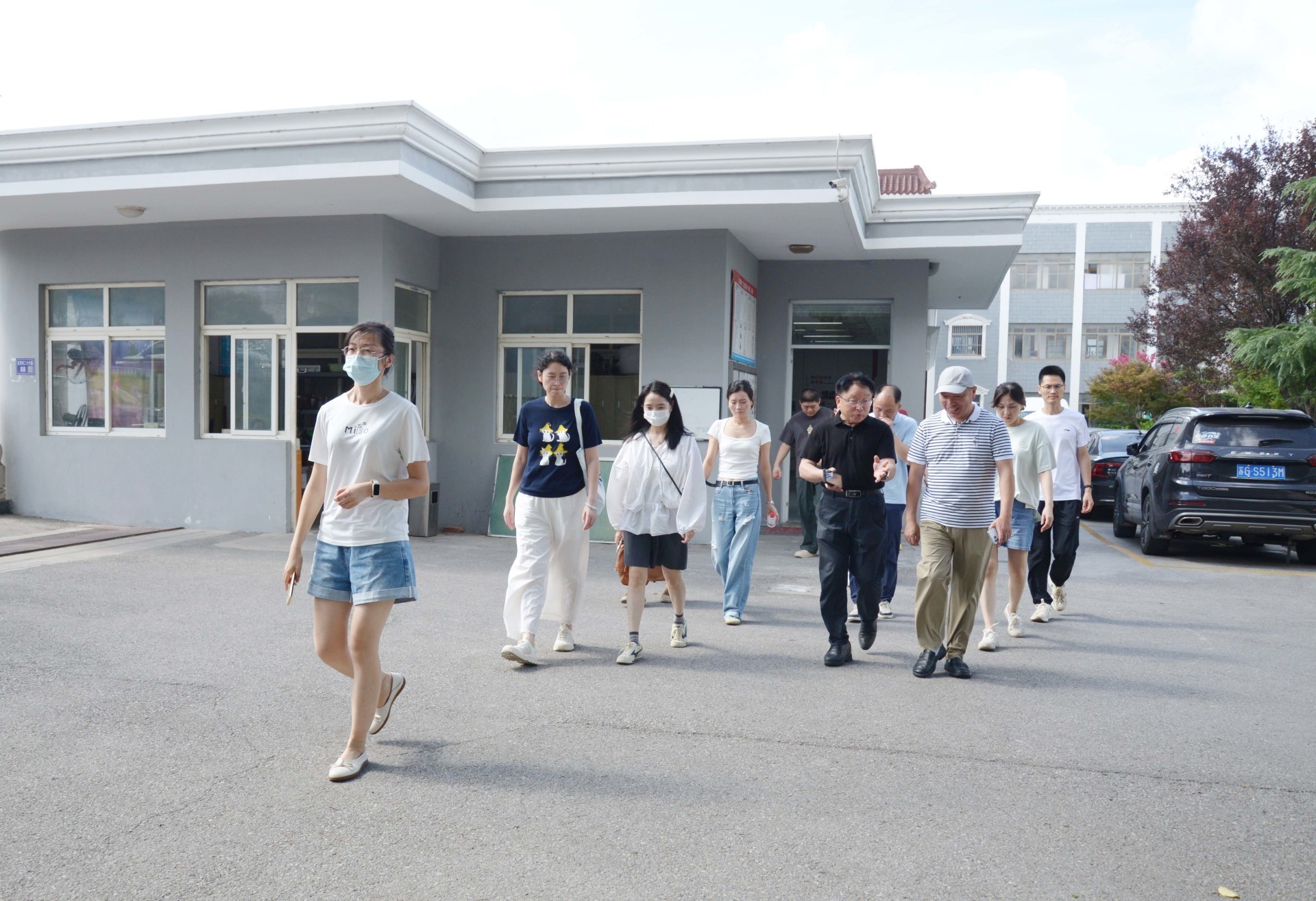

Address: Industrial Park (Western), Sanyu Town, Tongzhou District, Nantong City,Jiangsu Province China
Salesperson Tony +61(0)421865518
E-mail: hymr@hymr.cc